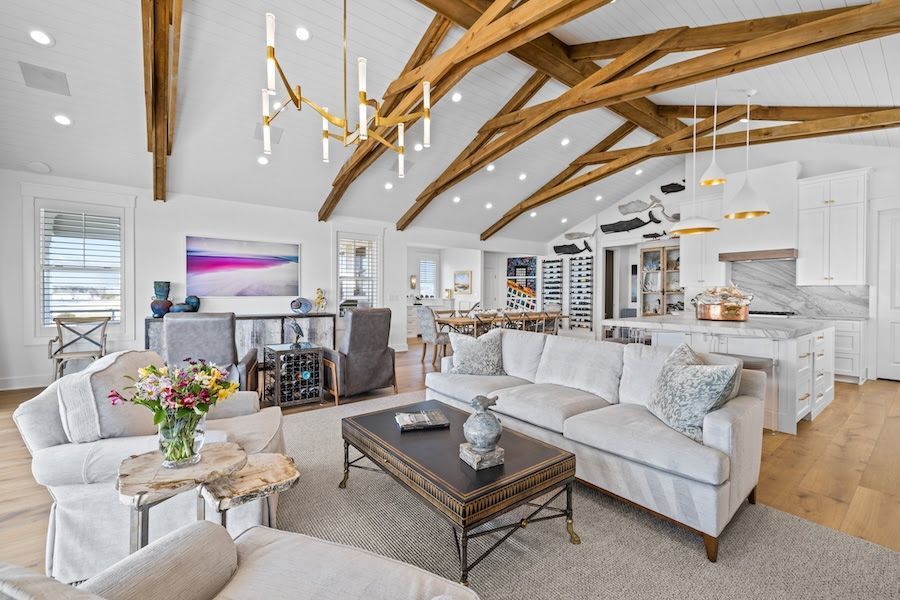
A Home for All Ages

Jim Schneider • April 15, 2026

A Home for All Ages

The best accessible features aren’t add-ons—they’re just good design.


There’s been a noticeable shift in how people are living. More families are choosing to share a home across generations—not just out of necessity, but because it makes sense. Financially, emotionally, and practically. As of 2026, about 1 in 5 Americans live in a multigenerational household. And that number is growing.


But here’s the real question:

How do you design a home that works for everyone—today and 20 years from now—without it feeling institutional?


The key is not to think of accessibility as a category, think of it as part of building a better home. Because when it’s done right, you don’t notice it. You just feel it.


Start with how you'll use the home


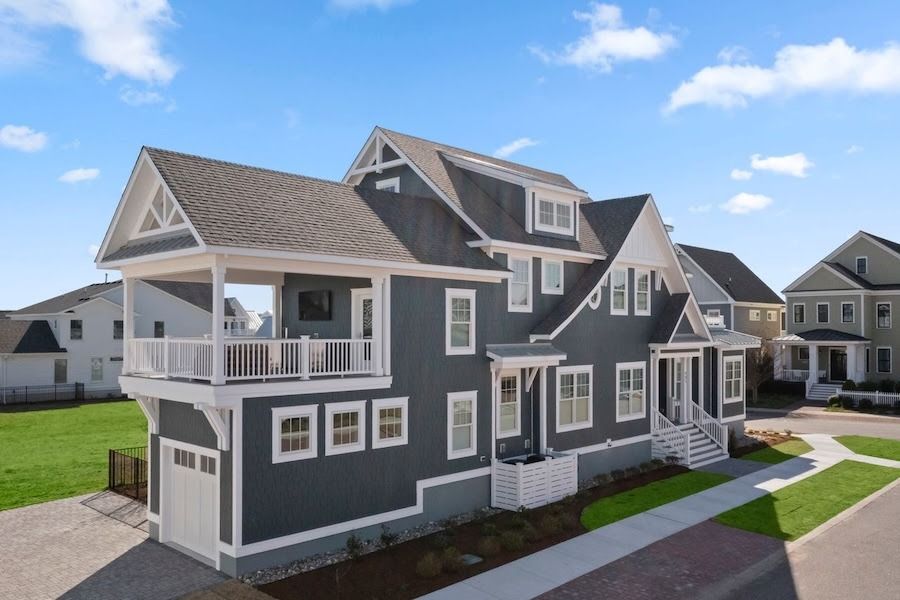
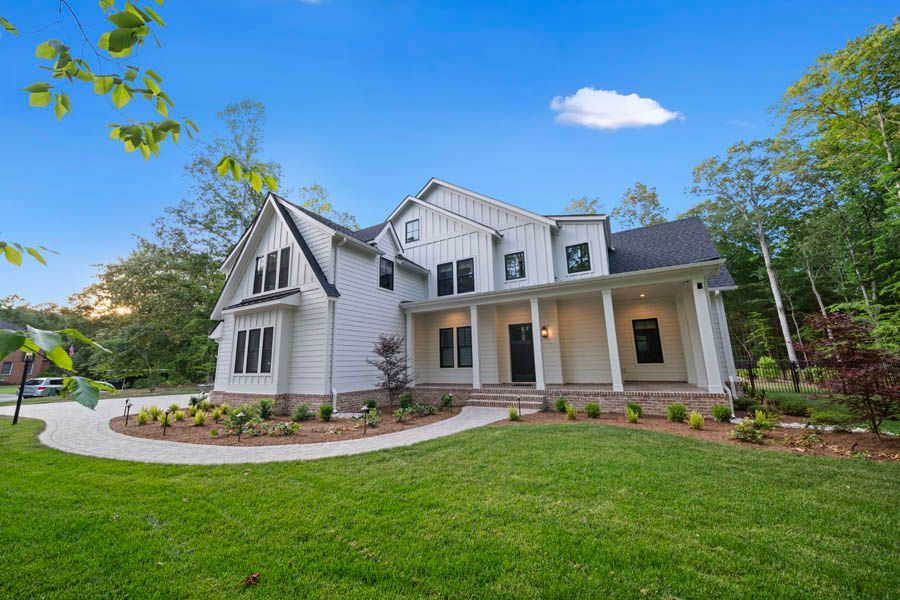
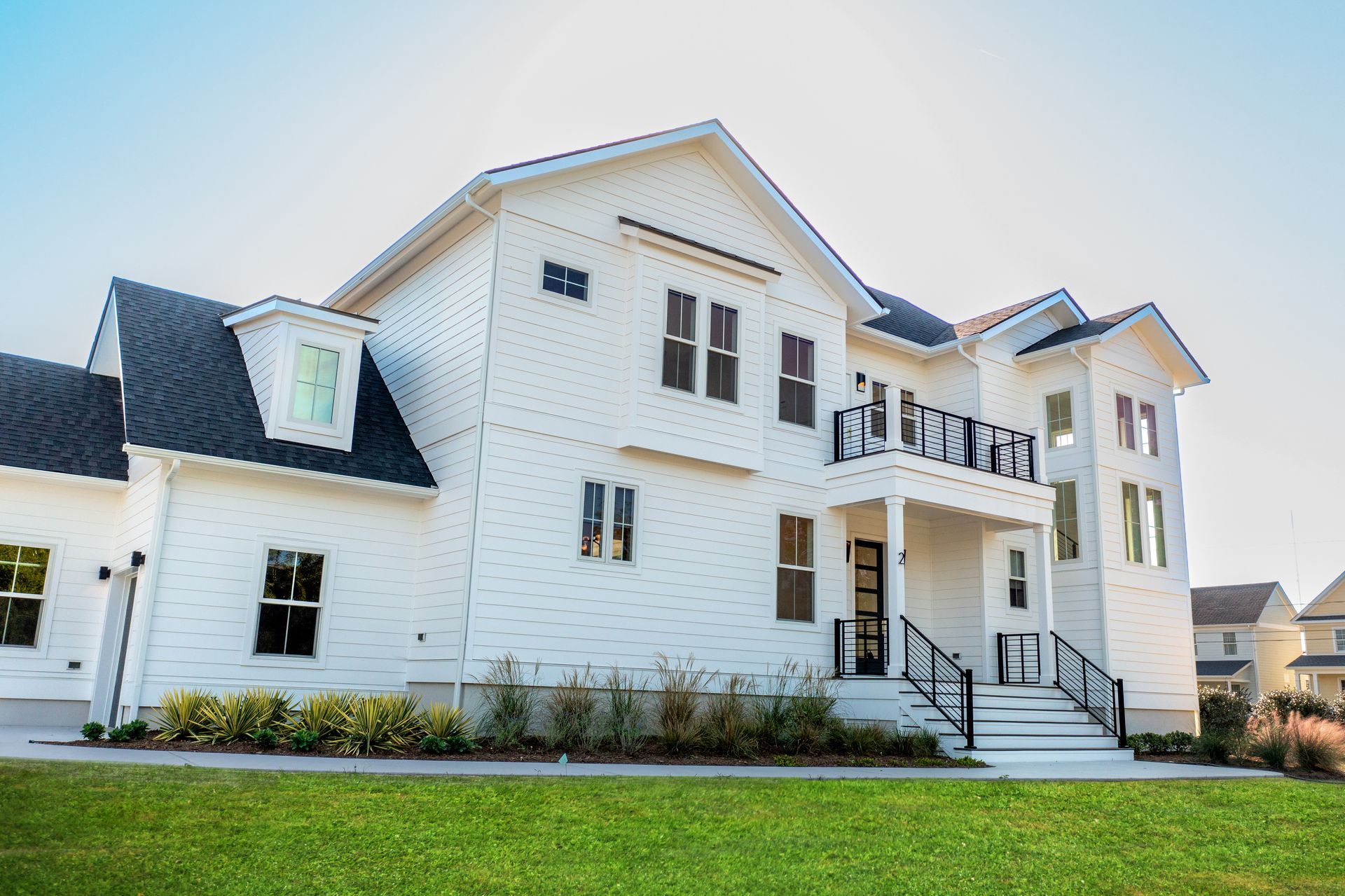
A well-designed home should feel easy to move through. That starts at the entry. No-step entries from the garage, front door, and outdoor spaces aren’t just helpful later in life—they’re better every single day. Carrying groceries, coming in from the beach, hosting friends… it all feels more natural when the home meets you where you are. Even when a fully flat site isn’t possible, thoughtful grading and transitions can make a big difference.


Details that don’t announce themselves


Some of the most impactful decisions are the ones you don’t think about—until you experience them.


  • Lever door handles.
  • Wider door openings.
  • Hallways that don’t feel tight.


These aren’t “special features.” They’re thoughtful elements that make the home more comfortable, more functional, and frankly, more enjoyable to live in.


Designing for flexibility


One of the smartest investments in a home is a first-floor suite that can evolve with you. Today, it might be a guest room or office. Tomorrow, it could serve a completely different purpose.


The key is in the planning:


  • Enough space to move comfortably around the bed
  • A bathroom that feels open and easy to navigate
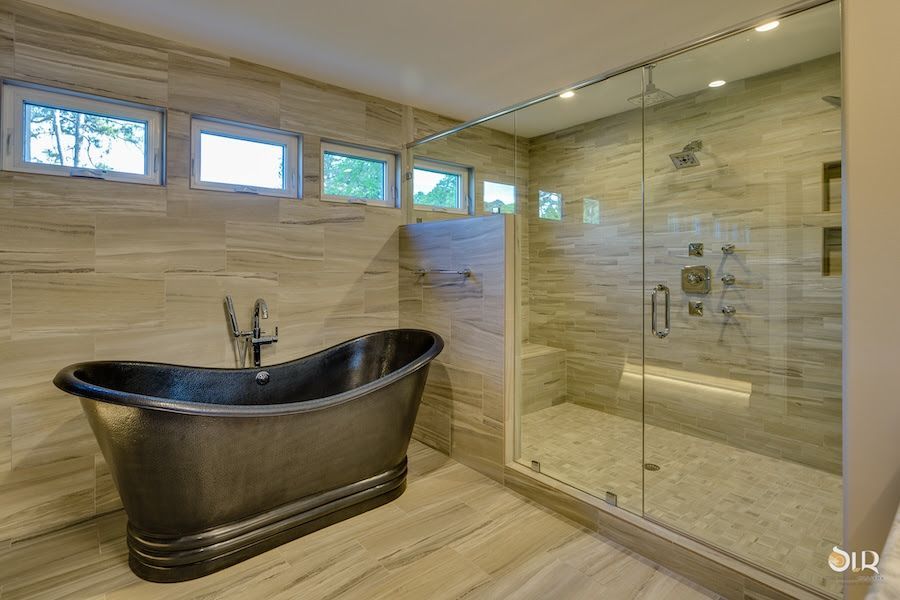
  • A zero-threshold shower that looks clean but eliminates a tripping hazard
  • Blocking in the walls for future grab bars—installed only if and when they’re needed


Nothing about this feels clinical. It just feels well thought out.


Space that feels better to be in


Good design shows up in how a space feels—not just how it looks. Wider hallways and larger openings create a sense of ease. Better lighting improves comfort and reduces strain. Subtle contrast in materials helps with depth perception without calling attention to itself. These are the kinds of things most people can’t quite put their finger on… but they know when it’s missing.


Thoughtful choices throughout the home


There are small decisions that carry a lot of weight over time:


  • Hard surface flooring that’s easier to move across and maintain
  • Induction cooking that reduces burn risk without sacrificing performance
  • Low-level lighting that helps navigate the home at night without disrupting it


None of these are about “aging.”

They’re about living well.


The bigger picture


At the end of the day, this isn’t about designing for a specific stage of life. It’s about building a home that adapts with you—quietly, seamlessly, without compromise. That kind of thinking doesn’t just improve how the home functions. It improves how it feels to live there… every day. And when the time comes, it also makes the home more valuable to the next owner—because good design never goes out of style.


If you’re starting to think about your next home, this is a conversation worth having early. Not because you need all of these features—but because the best homes are the ones that are thought through before they’re built.

2nd Annual Schneider Construction Hard Hat Tour

On March 27th, we hosted our 2nd Annual Hard Hat Tour with the NAHB Student Chapter from Norfolk State University.

I’ve always believed education is more than curriculum. Being able to connect what these Construction Management students are learning to what it actually looks like in the field is something I really enjoy.

We walked through four different projects, all at different stages, so they could see real-world examples—not just theory.

Big thanks to CVBIA for supporting something so important to me.


Ask the Builder:

Q: If a home is built to be airtight, how does it get fresh air?

A:

In most homes, fresh air comes from leaks—gaps around windows, framing, and penetrations. The problem is that air is unfiltered, inconsistent, and completely uncontrolled.


In a well-built home, it's important to stop those uncontrolled leaks. Then we bring in fresh air on purpose.

That’s done with an Energy Recovery Ventilator (ERV)—a system that continuously brings in filtered fresh air while exhausting stale air out.


As the air moves through the system, it transfers heat and humidity—so you get fresh air without losing comfort.


The result is a home that maintains better air quality, more consistent temperatures, and just feels better.


The key is simple:

A high-performing home doesn’t rely on accidental air—it delivers fresh air by design.
By Jim Schneider April 7, 2026
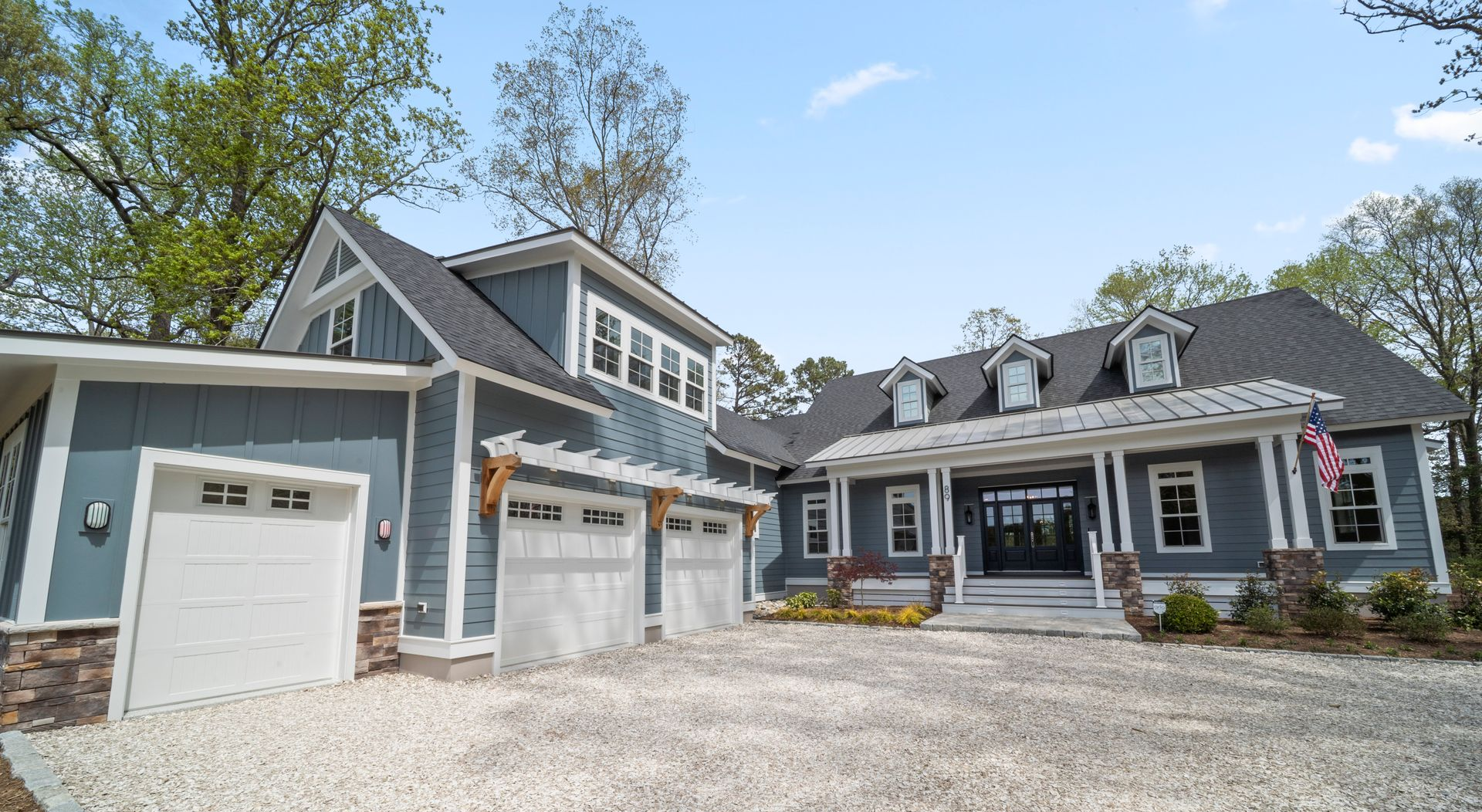
A Coastal Jewel Awaits on the Chesapeake Bay
By Jim Schneider March 30, 2026
Why You Should Hire a General Contructor
By Jim Schneider March 20, 2026
And why “price per square foot” is one of the most misleading numbers in residential construction. One of the most common questions we receive is: “How much do your homes cost per square foot?” It’s a reasonable question — but for a true custom home, it’s the wrong metric. Custom homes are not mass-produced products. They are built once, on one specific piece of property, for one specific family. Unlike production homes, there is no repeatable formula where square footage alone determines price. Too many critical cost drivers have nothing to do with the size of the house. Design Drives Cost — Not Just Size Two homes can be 3,000 square feet and differ by hundreds of thousands of dollars. Why? Ceiling heights and roof complexity Window quantity, size, and performance level Structural engineering requirements Finish selections (flooring, cabinetry, tile, appliances) Exterior materials (brick, siding, stone, trim detail) Mechanical system sophistication A simple rectangular footprint costs far less than a home with multiple rooflines, structural beams, and large glass openings — even if the square footage is identical. And if a builder chooses to build high-performance homes with advanced insulation systems, geothermal HVAC, air sealing strategies, and verified performance testing, those investments improve durability and comfort — but they do not increase square footage. The Lot Can Change Everything Where you build often impacts the budget more than what you build. Slope, soil conditions, water table levels, and accessibility can dramatically alter excavation and foundation costs. Building on the Eastern Shore versus an urban infill lot in Hampton Roads comes with very different regulatory and infrastructure requirements. Utility tap fees, well and septic systems, long service trenches, stormwater management, flood zone requirements, and permit costs all vary by jurisdiction. Some municipalities require thousands — even tens of thousands — of dollars in impact and utility fees before construction even begins. These costs have zero connection to the home’s square footage. Regulations & Community Requirements HOA guidelines, architectural review boards, and local code requirements can mandate specific materials or construction methods. Coastal zones may require additional structural upgrades, elevated foundations, or moisture management strategies. Again — none of this shows up in a square foot calculation. Why Square Foot Pricing Falls Apart Square foot pricing works in production housing because every home is nearly identical. Custom homes are different. They are shaped by design complexity, site conditions, regulatory environments, performance goals, and homeowner priorities. If someone offers you a “ballpark” price per square foot without understanding these variables, that number is little more than a guess. A custom builder will invest significant time in preconstruction to understand your design, your lot, and your performance expectations. That’s how we create budgets that are accurate — not just convenient. Because in a custom home, value isn’t measured by square footage. It’s measured by how well the home is designed, built, and performs for decades to come. Warm Regards,
By Jim Schneider March 20, 2026
Recently, Jim Schneider of Schneider Construction joined Seth Kelley of MCG Homes on The Punch List Podcast to discuss one of the most important drivers of success in custom homebuilding and remodeling: building strong relationships with trade partners. During the conversation, Jim shared insights from his experience building custom homes in Cape Charles, Virginia, highlighting how long term success in the industry depends on trust, communication, and consistency with the trades that make each project possible. Together, Jim and Seth explored what separates builders that trades want to work with from those they avoid. The discussion covered everything from jobsite culture and clear expectations to accountability and mutual respect between builders and their trade partners. For Schneider Construction, these relationships are foundational. A well run project is the result of a team effort, and strong partnerships with skilled trades ensure that every home is built with the level of craftsmanship and care clients expect. If you’re interested in the business side of custom homebuilding and the importance of maintaining strong trade relationships, this episode offers practical insights into how builders can create better working partnerships and stronger projects. Be sure to tune in to the next episode as the conversation continues with a deeper look into another key piece of the puzzle: building strategic relationships with suppliers.
By Jim Schneider November 11, 2025
If you’re considering building a custom home in Cape Charles, you’ve likely heard the term “high performance home.” But what does that really mean? And why does it matter for your lifestyle on Virginia’s Eastern Shore?
By Jim Schneider November 11, 2025
Thinking about relocating to the Eastern Shore? Cape Charles, VA has become one of the most talked about towns on the Chesapeake Bay and for good reason. This small coastal community blends everyday convenience with natural beauty, affordability and a spirit of connection that’s hard to find elsewhere. For families, retirees and second home buyers, moving isn’t just about picking a house. It’s about picturing what life will actually feel like in a new town. Will the pace of life be right? Can you afford it comfortably? Will you feel at home in the community?
By Jim Schneider November 11, 2025
If you’re considering a move to Cape Charles or the Eastern Shore, one of the first questions you’ll face is: Should I buy an existing home or build new?
By Jim Schneider November 10, 2025
Thinking about moving to Cape Charles, VA? This small coastal town on the Chesapeake Bay has become one of the most desirable spots on Virginia’s Eastern Shore. From its walkable streets to its friendly community and waterfront charm, Cape Charles offers a lifestyle that’s both relaxed and rewarding.
June 21, 2025
We are thrilled to announce that Schneider Construction, LLC has been honored with the 2025 Innovation Project of the Year Award by the Home Builders Association of Virginia (HBAV) .