What Really Drives the Cost of a Custom Home?
And why “price per square foot” is one of the most misleading numbers in residential construction.
One of the most common questions we receive is:
“How much do your homes cost per square foot?”
It’s a reasonable question — but for a true custom home, it’s the wrong metric.
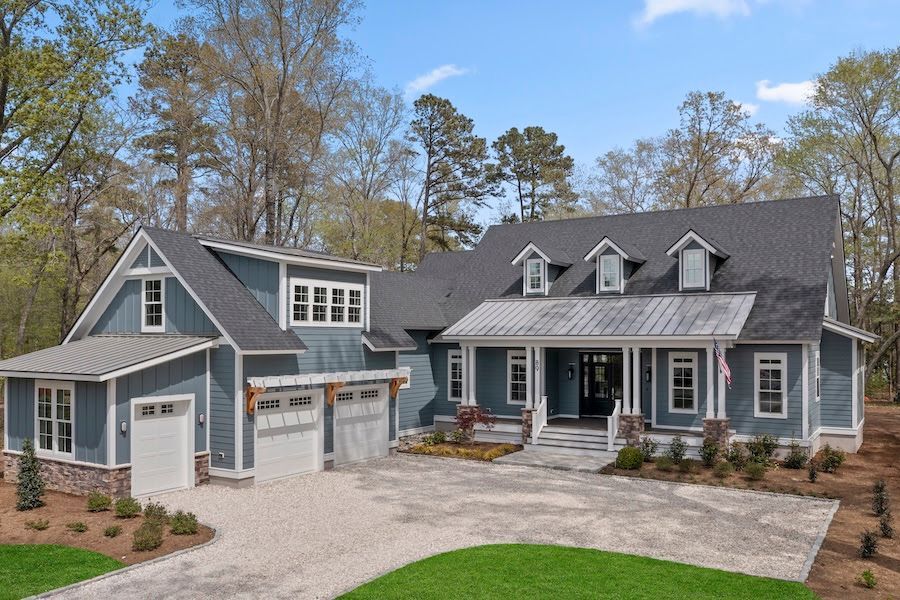
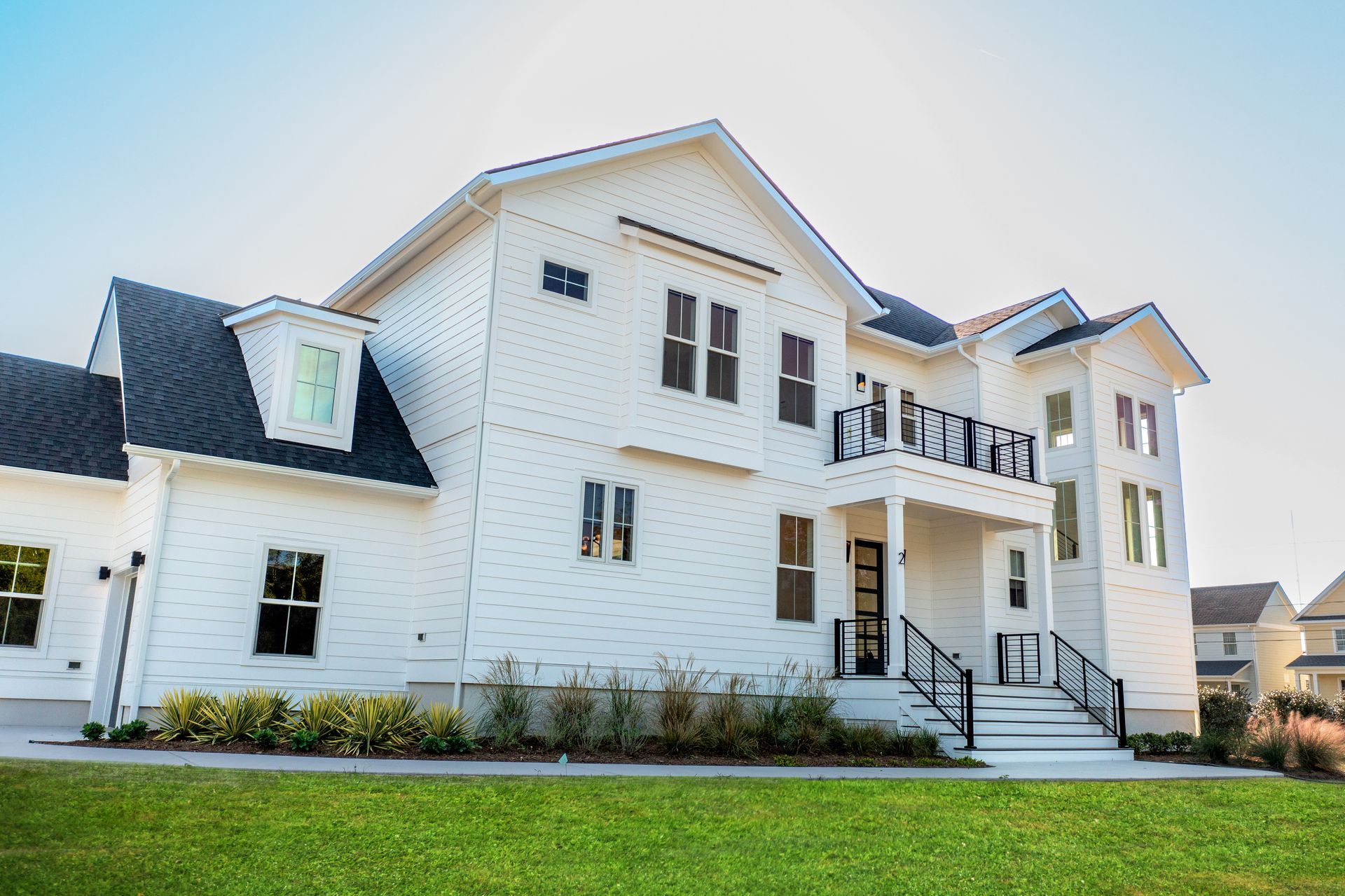
Custom homes are not mass-produced products. They are built once, on one specific piece of property, for one specific family. Unlike production homes, there is no repeatable formula where square footage alone determines price.
Too many critical cost drivers have nothing to do with the size of the house.
Design Drives Cost — Not Just Size
Two homes can be 3,000 square feet and differ by hundreds of thousands of dollars.
Why?
- Ceiling heights and roof complexity
- Window quantity, size, and performance level
- Structural engineering requirements
- Finish selections (flooring, cabinetry, tile, appliances)
- Exterior materials (brick, siding, stone, trim detail)
- Mechanical system sophistication
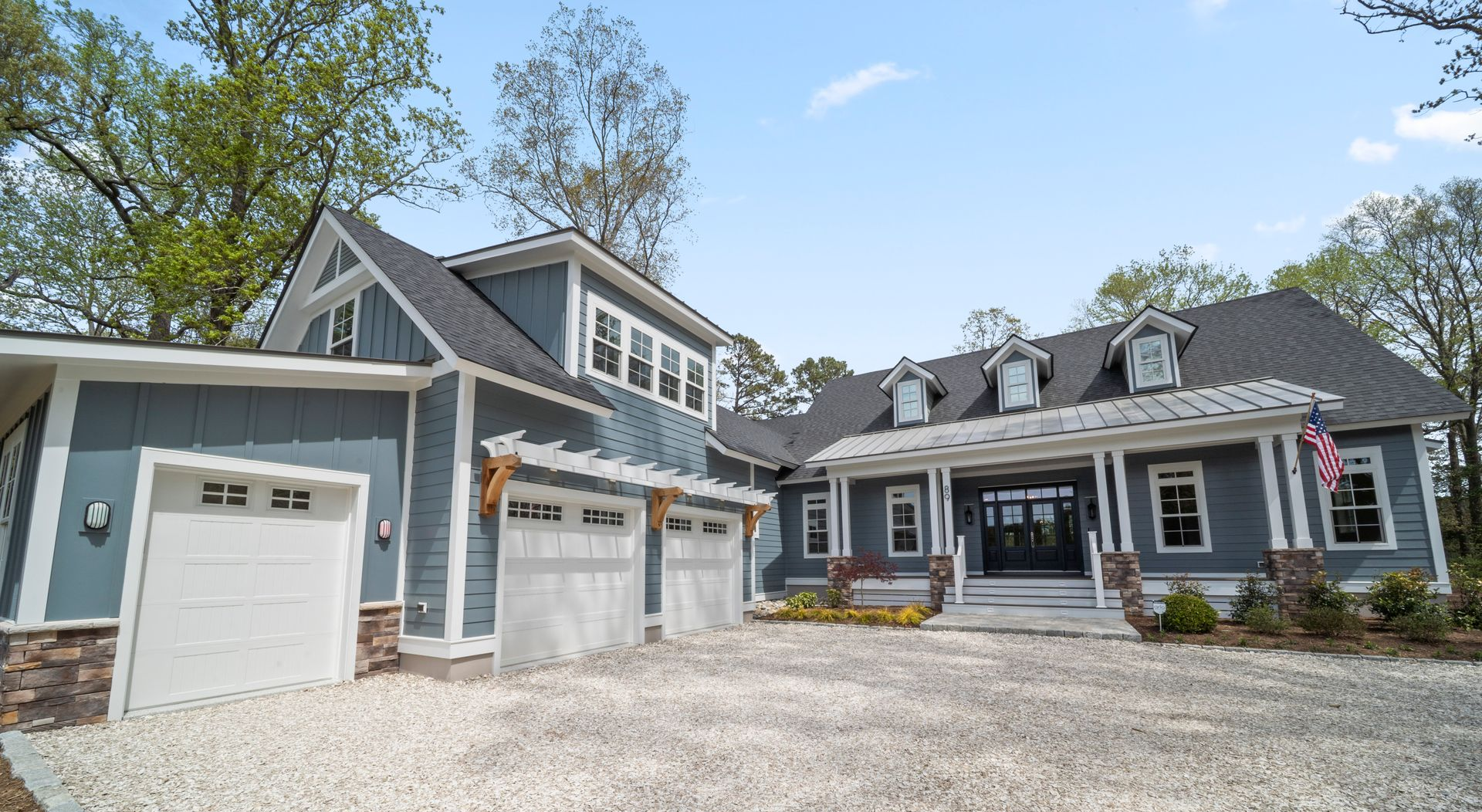
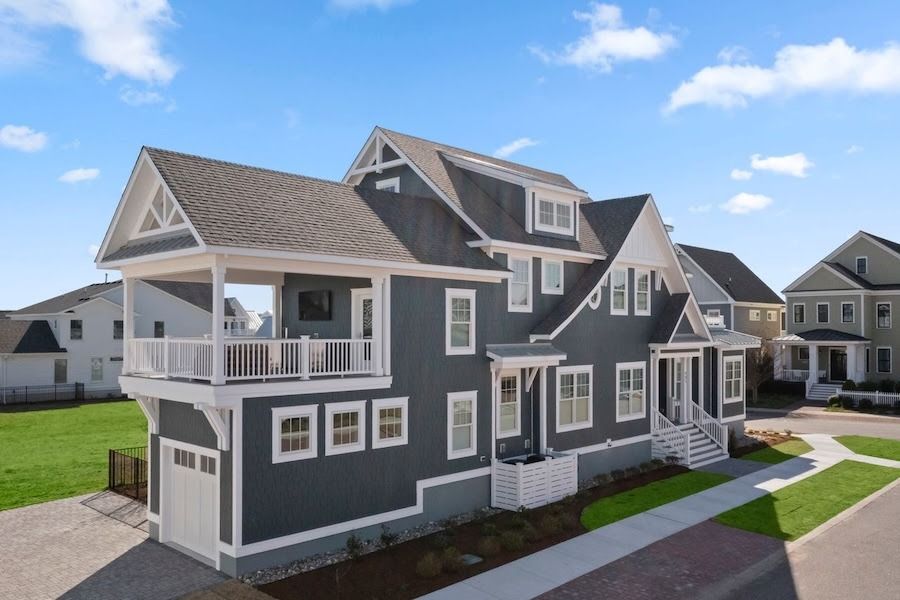
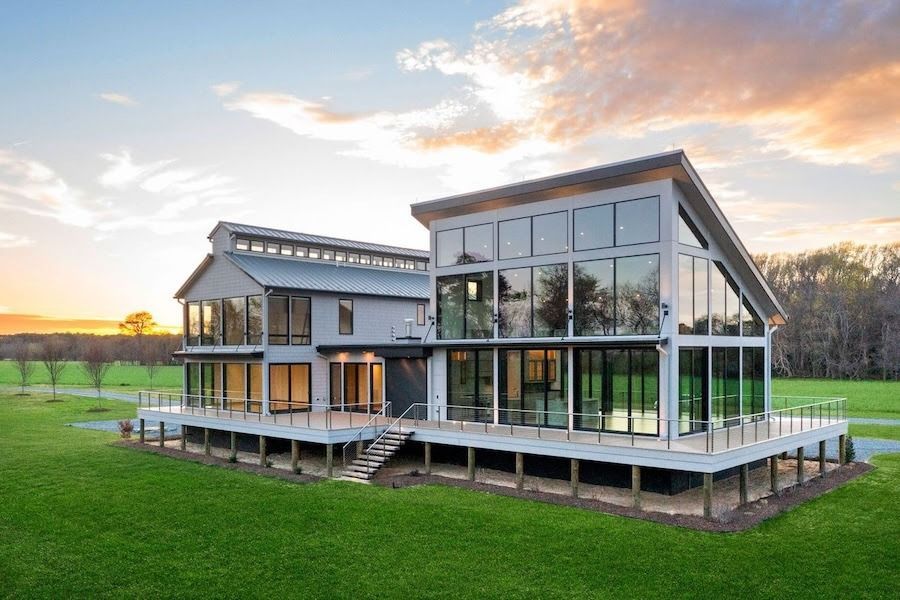
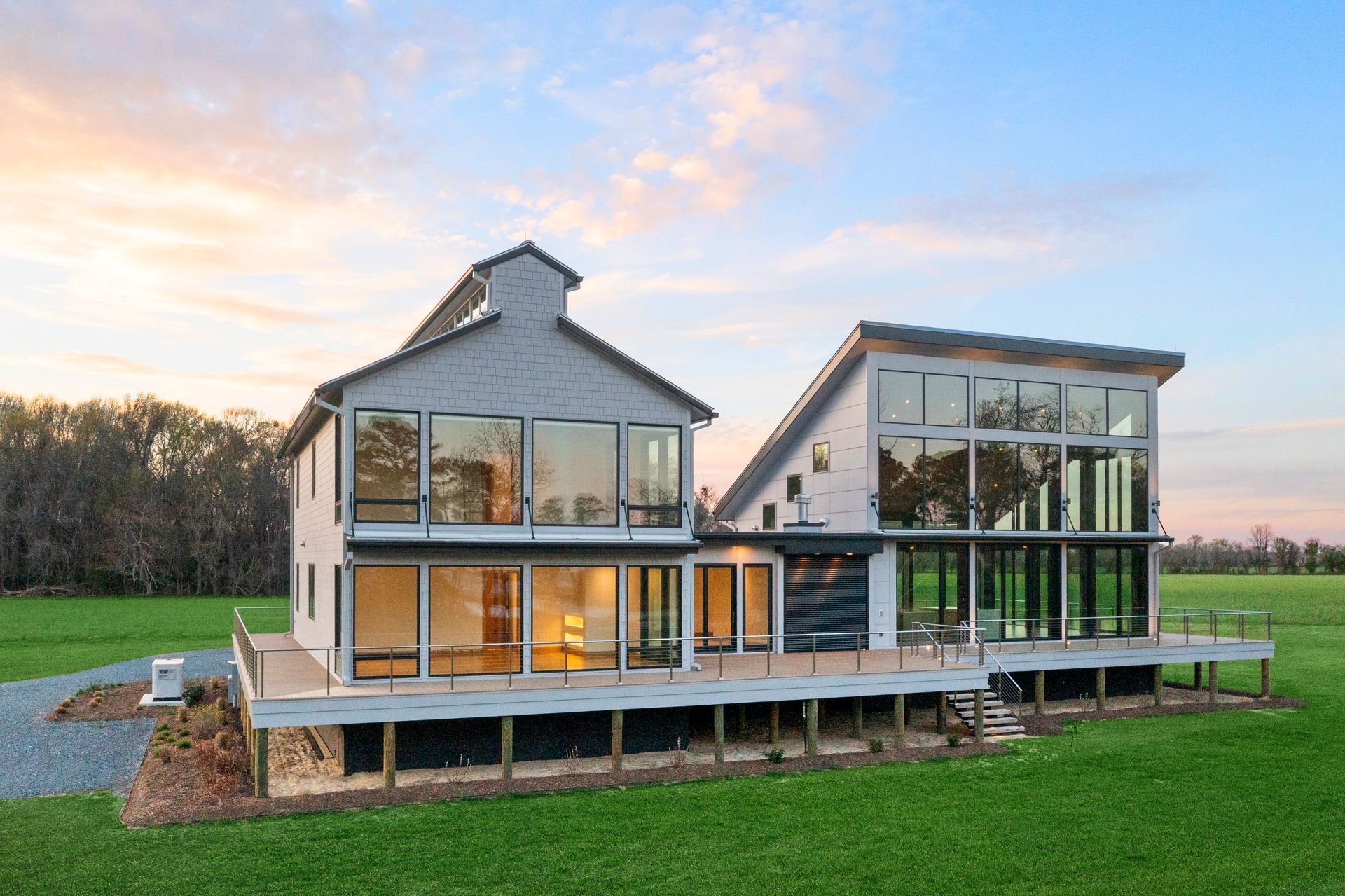
A simple rectangular footprint costs far less than a home with multiple rooflines, structural beams, and large glass openings — even if the square footage is identical.
And if a builder chooses to build high-performance homes with advanced insulation systems, geothermal HVAC, air sealing strategies, and verified performance testing, those investments improve durability and comfort — but they do not increase square footage.
The Lot Can Change Everything
Where you build often impacts the budget more than what you build.
Slope, soil conditions, water table levels, and accessibility can dramatically alter excavation and foundation costs. Building on the Eastern Shore versus an urban infill lot in Hampton Roads comes with very different regulatory and infrastructure requirements.
Utility tap fees, well and septic systems, long service trenches, stormwater management, flood zone requirements, and permit costs all vary by jurisdiction. Some municipalities require thousands — even tens of thousands — of dollars in impact and utility fees before construction even begins.
These costs have zero connection to the home’s square footage.
Regulations & Community Requirements
HOA guidelines, architectural review boards, and local code requirements can mandate specific materials or construction methods. Coastal zones may require additional structural upgrades, elevated foundations, or moisture management strategies.
Again — none of this shows up in a square foot calculation.
Why Square Foot Pricing Falls Apart
Square foot pricing works in production housing because every home is nearly identical.
Custom homes are different. They are shaped by design complexity, site conditions, regulatory environments, performance goals, and homeowner priorities.
If someone offers you a “ballpark” price per square foot without understanding these variables, that number is little more than a guess.
A custom builder will invest significant time in preconstruction to understand your design, your lot, and your performance expectations. That’s how we create budgets that are accurate — not just convenient.
Because in a custom home, value isn’t measured by square footage.
It’s measured by how well the home is designed, built, and performs for decades to come.
Warm Regards,